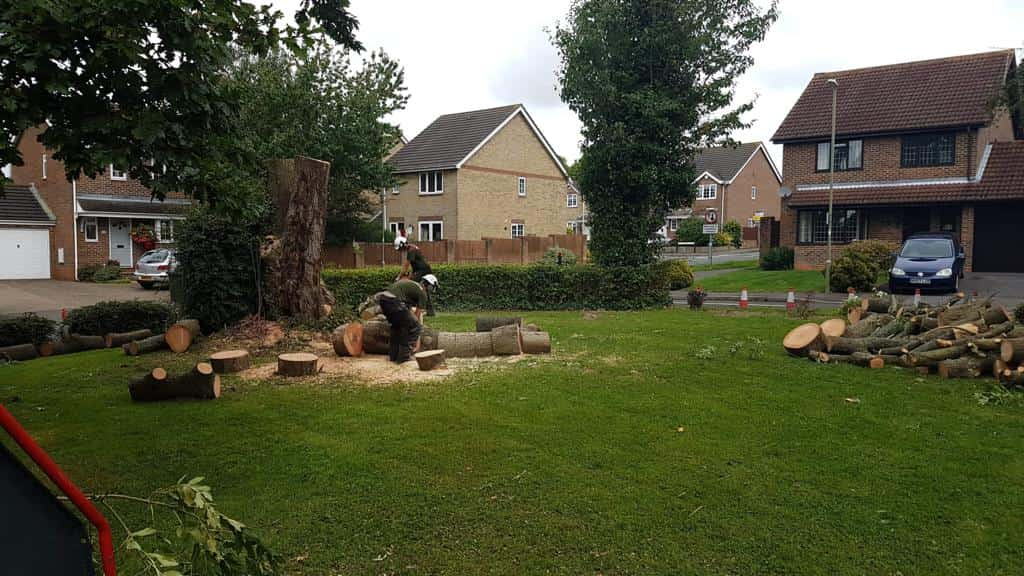
Mature hedges can provide privacy, shelter and an attractive boundary, but their size and density require careful management. Without suitable maintenance, an established hedge may become excessively tall or wide, overshadow nearby planting, obstruct access and develop an uneven shape.
Managing a mature hedge is not simply a matter of removing as much growth as possible. The correct approach depends on its species, condition, age and intended purpose. For property owners in Waltham Abbey, Essex, professional assessment and planned maintenance can help keep an established hedge healthy, practical and visually balanced.
A Planned Approach to Mature Hedge Management
The most effective hedge management combines careful assessment, appropriate cutting and regular follow-up maintenance. This avoids unnecessary stress to the plants and reduces the likelihood of the hedge becoming unmanageable again.
Assess the Hedge Before Cutting
Before work begins, the hedge should be examined along its full length. Important factors include its species, current height and width, foliage density, structural condition and proximity to paths, driveways or buildings.
The assessment should also identify dead sections, weak stems, gaps and areas where neighbouring plants have grown together unevenly. This allows the work to be tailored to the hedge rather than applying the same cutting method throughout.
Understand the Difference Between Trimming and Reduction
Routine trimming removes recent growth to maintain an existing shape. It is suitable when the hedge is broadly the correct size but has become untidy.
Reduction is more substantial and may be needed when a hedge has grown too tall or extended too far into the garden. A mature hedge should not automatically be cut back to the desired dimensions in one visit. Some species respond well to harder cutting, while others may not regenerate reliably from old, bare wood.
Reduce Overgrown Hedges Gradually Where Necessary
Where substantial size reduction is required, a staged approach may be better for the hedge. Reducing one aspect at a time or carrying out the work over more than one growing period can help retain sufficient foliage and avoid leaving large bare areas.
Gradual reduction also provides an opportunity to monitor how the hedge responds. Further work can then be adjusted according to the quality and position of the new growth.
Maintain a Suitable Shape
A well-managed hedge is generally kept slightly narrower at the top than at the base. This allows more daylight to reach the lower foliage, helping to prevent sparse or bare growth near ground level.
An excessively wide or top-heavy hedge may shade its lower sections and become difficult to maintain. Careful shaping improves its appearance while making future trimming more manageable.
Remove Dead and Congested Growth
Mature hedges can contain dead stems, crossing branches and dense internal growth. Removing unsuitable material can improve the hedge’s structure and make its overall condition easier to assess.
Work should remain proportionate. Excessive thinning may expose previously sheltered growth and create an open, uneven appearance. The aim is to remove genuine problem areas while retaining enough healthy foliage to preserve screening and density.
Protect Privacy While Restoring Control
Many established hedges are valued because they provide screening. Heavy cutting without a clear plan may create gaps that take a considerable time to fill.
A professional can balance the need for height or width reduction with the homeowner’s privacy requirements. In some cases, selective trimming or a gradual programme will produce a better result than an immediate severe cut.
Keep Access Routes Clear
Hedge growth can narrow paths, obstruct gates and extend across driveways. It may also cover lighting, signs or other garden features.
Establishing a clear trimming line around access routes makes the surrounding space easier to use. Once the boundary has been restored, regular maintenance prevents new shoots from reclaiming the area.
Choose the Right Maintenance Frequency
The frequency of hedge cutting depends on the species, growing conditions and desired finish. Vigorous formal hedges may require more frequent attention, while slower-growing or informal hedges may need less intervention.
Regular light trimming is usually easier to manage than allowing several seasons of growth to accumulate. It also helps preserve the intended outline without repeatedly cutting into older, thicker branches.
Avoid Repeated Cutting at Exactly the Same Point
Continually cutting stems at the same level can encourage a dense outer layer while leaving the interior weak or bare. Over time, the hedge may become top-heavy or difficult to reshape.
Professional maintenance can vary cutting positions where appropriate, control dominant shoots and encourage more balanced development. This is particularly useful where a mature hedge has developed an uneven profile.
Plan for Long-Term Condition, Not Just Immediate Appearance
A freshly cut hedge may look tidy, but successful management should also consider how it will develop afterwards. Removing too much growth can produce a short-term result that is difficult to maintain or slow to recover.
A long-term plan should define the intended height, width and shape, together with the maintenance needed to retain them. This provides greater consistency and reduces the need for drastic future reductions.
Conclusion
The best way to manage a mature hedge is through informed, proportionate work rather than severe cutting without assessment. Suitable trimming, gradual reduction where needed and regular maintenance can preserve privacy, improve access and keep the hedge in a balanced condition.
If an established hedge has become overgrown, uneven or difficult to manage, Waltham Abbey Tree Surgeons can assess it and recommend an appropriate course of work. Contact our team in Waltham Abbey, Essex, to arrange professional hedge care suited to your garden.
Call us on: 01992 929 594
Click here to find out more about Waltham Abbey Tree Surgeons
Click here to complete our contact form and see how we can help with your tree care needs.